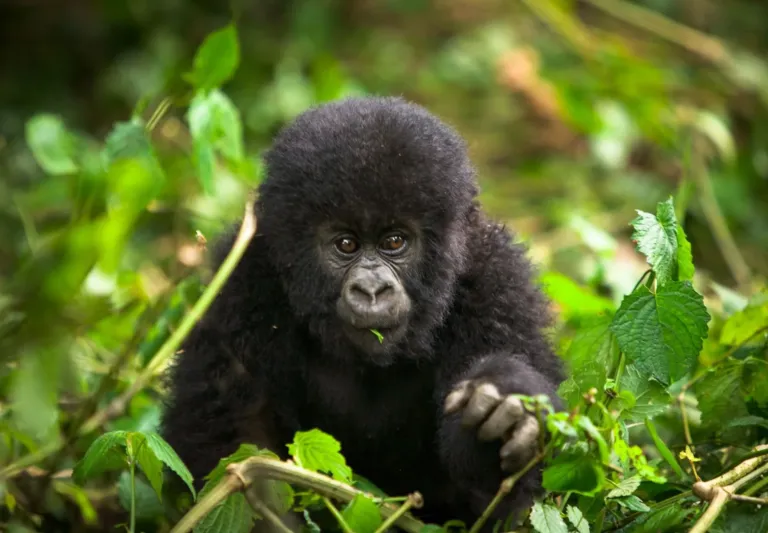
Gorilla trekking is one of Africa's great wildlife experiences, and it comes with rules that protect both visitors and the gorillas. Before you plan a trip, check that everyone in your group meets the requirements below.
You need a permit
Every visitor must hold a gorilla trekking permit, which is issued by the government wildlife authority of the country where you trek: the Uganda Wildlife Authority (UWA) for Bwindi and Mgahinga, and the Rwanda Development Board for Volcanoes National Park. A permit covers one person, one trek and one hour with a gorilla family on a set date. Permits are limited each day, so book well ahead, especially for the dry months.
Minimum age is 15
In both Uganda and Rwanda you must be at least 15 years old to trek gorillas. Park staff check dates of birth against passports, so bring identification for every traveller. Younger children can enjoy other activities, such as golden monkey tracking in Mgahinga, but not the gorilla trek itself.
Health and fitness
Treks last from about two hours to most of a day, over steep, muddy ground at altitude. You do not need to be an athlete, but you should be able to walk several hours. If you are less mobile, ask your operator about arranging porters or a carry chair, and about being matched with a family that is easier to reach. Anyone with a cold, flu or other infectious illness may be refused, because gorillas can catch human diseases. Tell your guide if you feel unwell.
Rules on the trek
- Groups are limited to eight visitors per gorilla family.
- You spend a maximum of one hour with the gorillas.
- Keep a safe distance (the standard guidance is about seven metres), do not touch or feed the animals and keep your voice low.
- Do not eat, drink or smoke near the gorillas, and follow your guide's instructions at all times.
- Turn off camera flash.
What does it cost?
Permit prices are set by each country and change between tariff periods. Rwanda's standard permit is US$1,500 per person, and Uganda's is lower, with different rates for foreign non-residents, foreign residents and East African citizens. Check the current price for your travel dates before you pay, and remember that the permit is only part of the trip cost, on top of lodging, transport and guides.
Why the rules matter
Permit fees pay for rangers, veterinary care and anti-poaching patrols, and they support communities living around the parks. Following the rules keeps your visit safe and helps protect mountain gorillas.
Tell us when you want to trek and who is travelling, and we will check permit availability and build your itinerary.