Geography and Natural Features
Rwanda’s physical landscape is defined by significant topographical variation across its modest territory. The western and northern regions feature highland areas and mountains, most prominently the Virunga volcanic range, which rises dramatically and creates a natural barrier shrouded in mist and dense vegetation. These volcanic mountains, part of the larger Albertine Rift system, support unique ecosystems and are home to some of the world’s most endangered species. On the other hand, the eastern portions of the country present a contrasting environment, with expansive savannahs, seasonal wetlands, and undulating plains that support different wildlife communities and agricultural systems.
Lake Kivu, one of Africa’s Great Lakes, forms a substantial section of Rwanda’s western boundary with the Democratic Republic of the Congo. This deep, freshwater lake serves multiple purposes: supporting local fishing industries, offering recreational opportunities, and containing large deposits of dissolved methane gas that present both challenges and potential energy opportunities. Rwanda experiences a tropical highland climate, with moderate temperatures throughout the year that avoid the intense heat typical of equatorial lowlands. Two distinct rainy seasons occur annually, contributing to the country’s lush vegetation and supporting its agricultural base, which remains vital to the national economy and food security.
Capital City and Demographics
Kigali, the nation’s capital and largest urban center, embodies Rwanda’s post-conflict transformation and future aspirations. This rapidly growing city functions as the country’s political, economic, and cultural heartbeat. Besides, Kigali has gained widespread recognition as one of Africa’s cleanest and most orderly cities, a reputation built on strict enforcement of environmental regulations, comprehensive urban planning, and civic discipline. Monthly community cleaning days, plastic bag bans, and well-maintained public infrastructure have become hallmarks of the city’s management. Beyond aesthetics, Kigali hosts essential government institutions, regional and international organizations, and an expanding technology sector that positions the city as an emerging innovation hub for East Africa.
The country’s population stands at approximately 13.8 million people, resulting in one of the highest population densities on the African continent. This demographic reality creates both challenges and opportunities, influencing everything from land tenure systems to urban migration patterns. On the other hand, Rwanda exhibits notable linguistic characteristics, with Kinyarwanda spoken universally as the national language, creating exceptional linguistic cohesion rare in African nations. The official recognition of English, French, and Swahili alongside Kinyarwanda reflects the country’s colonial legacy, regional integration priorities, and global ambitions. This multilingual framework has enabled Rwanda to navigate both Anglophone and Francophone spheres of influence while strengthening ties within the East African Community.
Wildlife and Safari Experiences
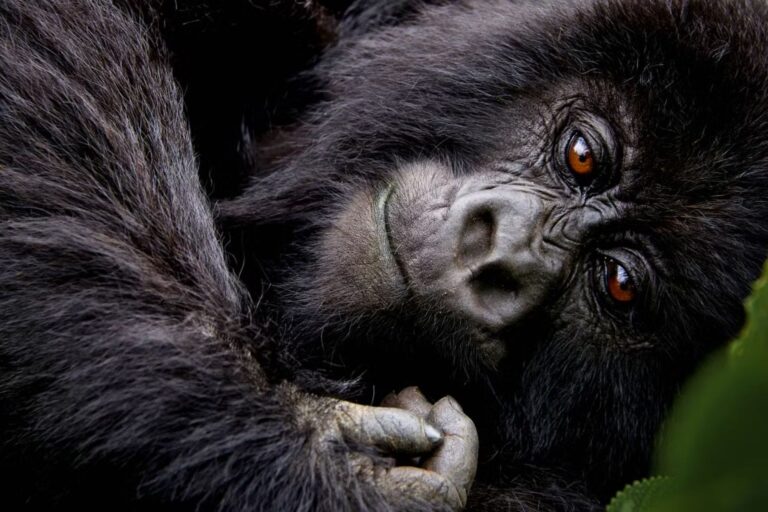
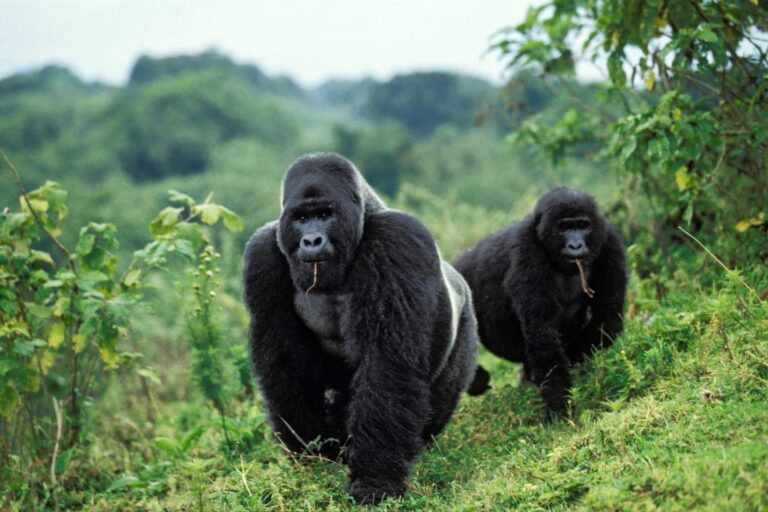
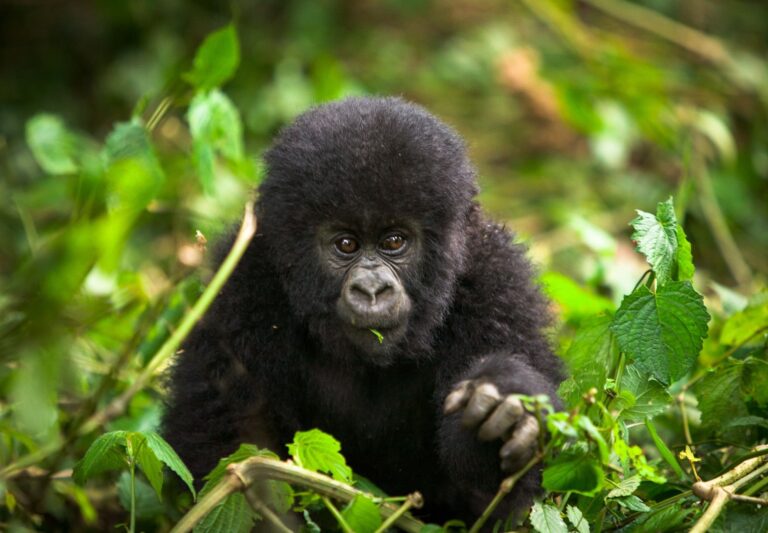
Tourism has evolved into a critical pillar of Rwanda’s economy and a defining element of its global image. In addition, the country has achieved international acclaim for its conservation leadership and protection of extraordinary biodiversity. Volcanoes National Park stands as Rwanda’s premier tourist attraction, drawing thousands of international visitors annually for mountain gorilla trekking experiences. However, this protected area forms part of the transboundary Virunga Massif ecosystem, shared with Uganda and the Democratic Republic of the Congo. The remarkable recovery of mountain gorilla populations from the brink of extinction represents one of Rwanda’s most celebrated conservation achievements, generating substantial tourism revenue while demonstrating effective wildlife management and community engagement.
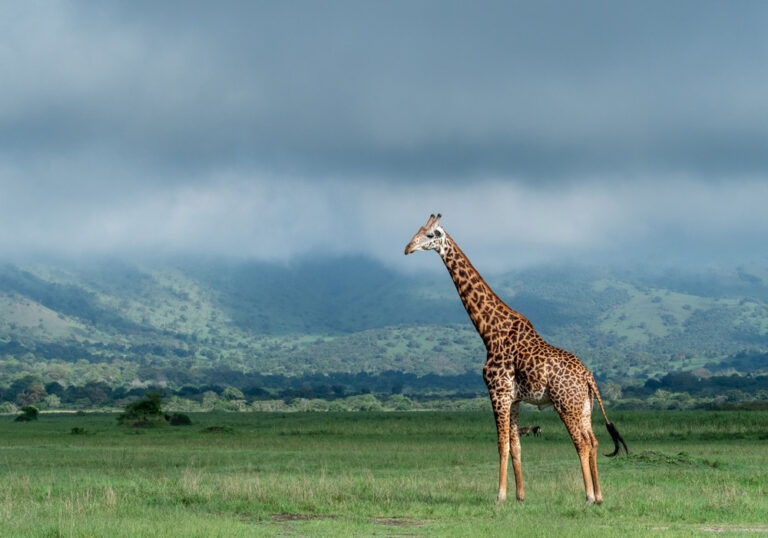
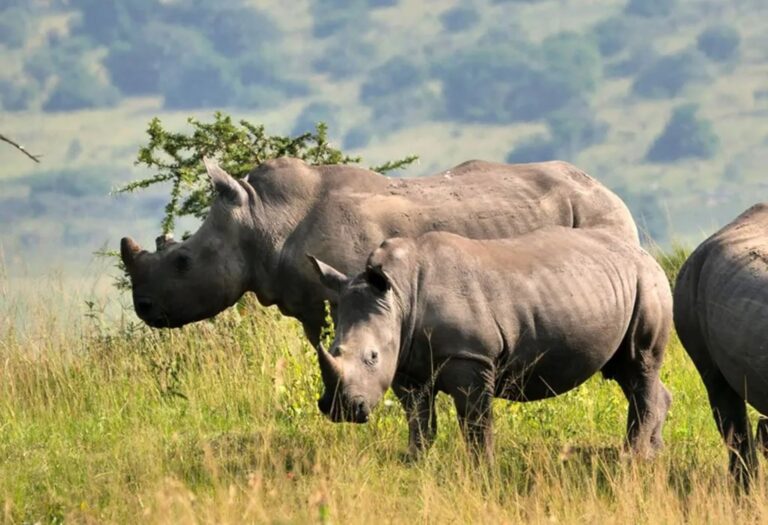
Akagera National Park, positioned in eastern Rwanda along the border with Tanzania, provides visitors with classic African savannah landscapes and wildlife viewing. Besides, through determined conservation efforts and successful wildlife reintroduction programs, the park now supports populations of all Big Five species—lions, leopards, rhinoceroses, elephants, and buffaloes. The return of these iconic animals, particularly lions and black rhinoceroses, marks a significant ecological restoration achievement and enhances Rwanda’s tourism competitiveness in the regional market.
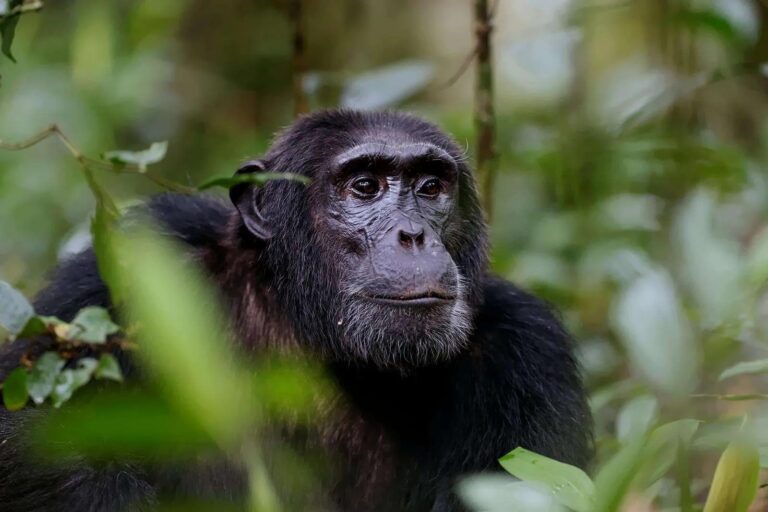
Nyungwe National Park, located in southwestern Rwanda, protects one of Africa’s most ancient montane rainforests. This biodiversity treasure hosts remarkable wildlife diversity, including thirteen primate species such as chimpanzees and various colobus monkeys, alongside hundreds of bird species and countless plant varieties. In addition, the park features an impressive canopy walkway suspended above the forest floor, allowing visitors to experience the rainforest from a unique elevated perspective and offering breathtaking panoramic views of this ecological jewel.
Rwandan Culture and Society
The Banyarwanda people share the Kinyarwanda language and emphasize unity over historical ethnic divisions among Hutu, Tutsi, and Twa groups. Following the 1994 genocide, Rwanda prioritized national reconciliation through initiatives like the community-based Gacaca courts and mandatory monthly Umuganda service, which fosters collective pride and contributes to Kigali’s cleanliness. Traditional culture thrives through energetic Intore dances, distinctive Imigongo cow-dung paintings, and intricate basket weaving. Rwandan cuisine features beans, bananas, potatoes, and sweet potatoes, with tilapia and grilled chicken as proteins, accompanied by traditional banana beer. Christianity predominates alongside Islam and indigenous beliefs. Social customs emphasize respect for elders, community bonds, and social cohesion over individualism, reflecting Rwanda’s commitment to transcending ethnic divisions.