In 1929, Volcanoes National Park was extended into Rwanda and the former Belgian Congo, subsequently being designated as Albert National Park and managed by the Belgian Colonial Authorities. During the early 1960s, following the independence of Rwanda and Congo, the park was divided, and by the end of that decade, its size was reduced to nearly half of its original extent. In 1967, renowned American primatologist Dian Fossey, who had conducted research on mountain gorillas in the forests of Congo, fled due to insecurity and established her research station between Visoke and Karisimbi volcanoes, subsequently known as the Karisoke Research Center. Fossey spearheaded efforts for the conservation of mountain gorillas and mobilized resources to combat poaching until her murder in 1985. She was interred at the research center beside her favored gorilla, Digit.
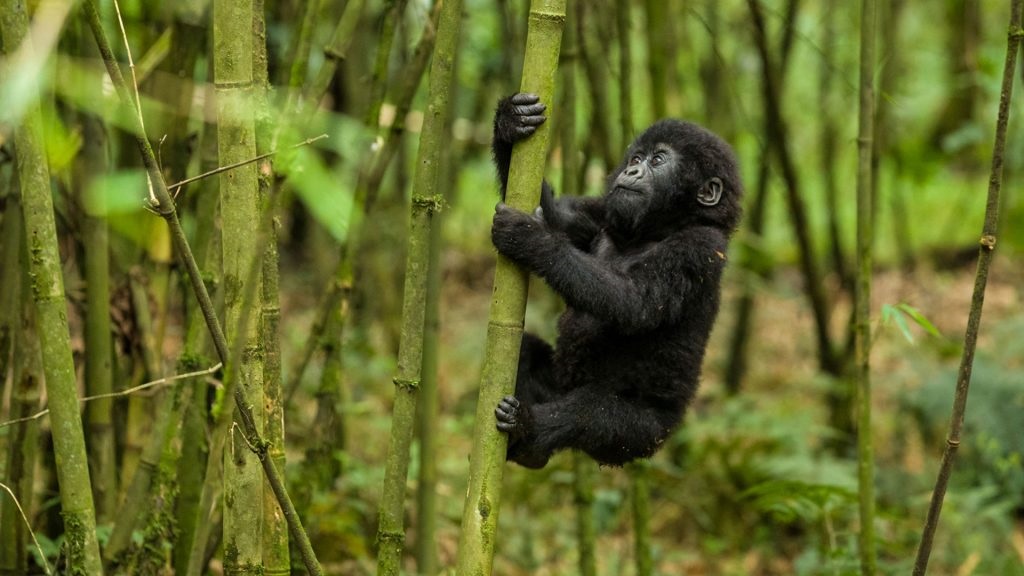
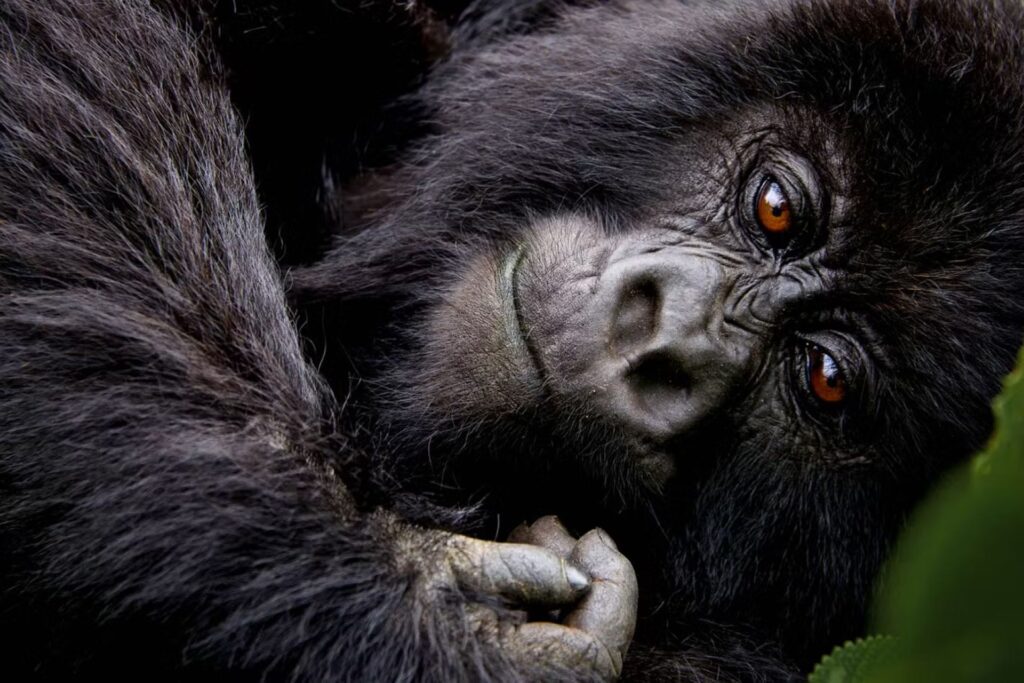
Despite ongoing conservation initiatives, the park continued to suffer from poaching. In the early 1990s, the park became a battleground during Rwanda’s civil war, which halted tourism activities until 1999. In 2005, Rwanda introduced the annual Kwita Izina baby gorilla naming ceremony to promote conservation and increase gorilla tourism in Volcanoes National Park.
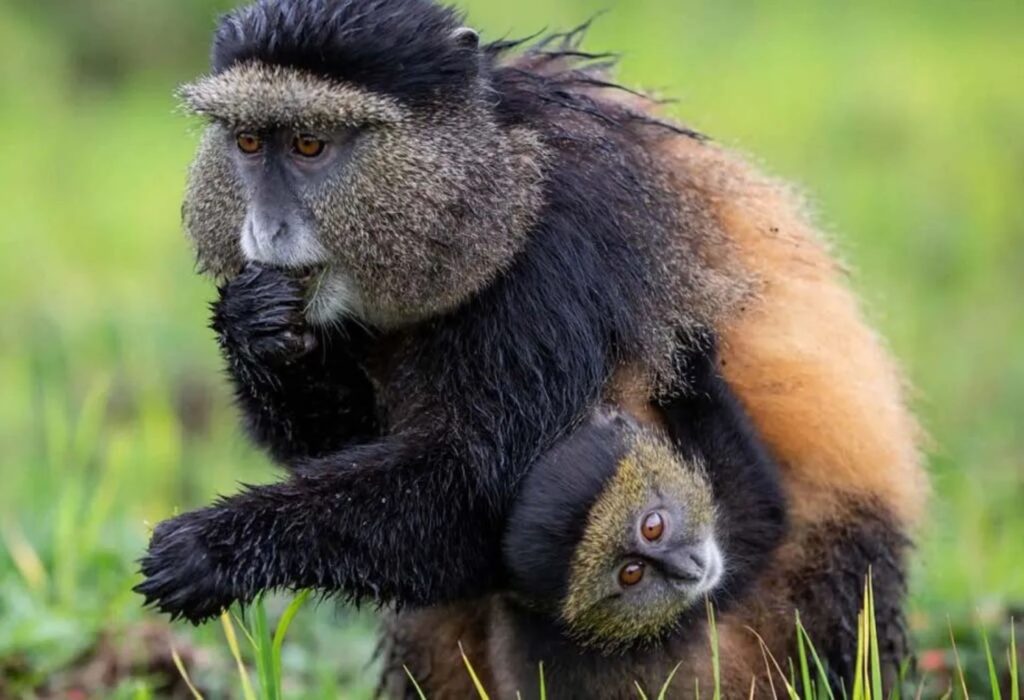
This initiative has contributed significantly to the growth of the gorilla population. Besides mountain gorillas (Gorilla beringei beringei), the park also provides habitat for golden monkeys (Cercopithecus mitis kandti), spotted hyenas (Crocuta crocuta), buffaloes (Syncerus caffer), elephants, black-fronted duikers (Cephalophus niger), and bushbucks (Tragelaphus scriptus). Furthermore, the park hosts 178 bird species, including at least 29 endemic to the Rwenzori Mountains and the Virunga.