East Africa is a year-round destination filled with unforgettable safari experiences, but choosing the right time to visit can elevate your journey even further. The region’s seasons are shaped by a mix of dry and rainy periods, each offering its own charm from exceptional wildlife viewing to lush, scenic landscapes.
UGANDA – THE PEARL OF AFRICA
In Uganda, the best time to visit is during the dry seasons, from June to August and December to February. These months provide excellent conditions for wildlife viewing, as animals gather around water sources and the vegetation is less dense, making sightings easier.
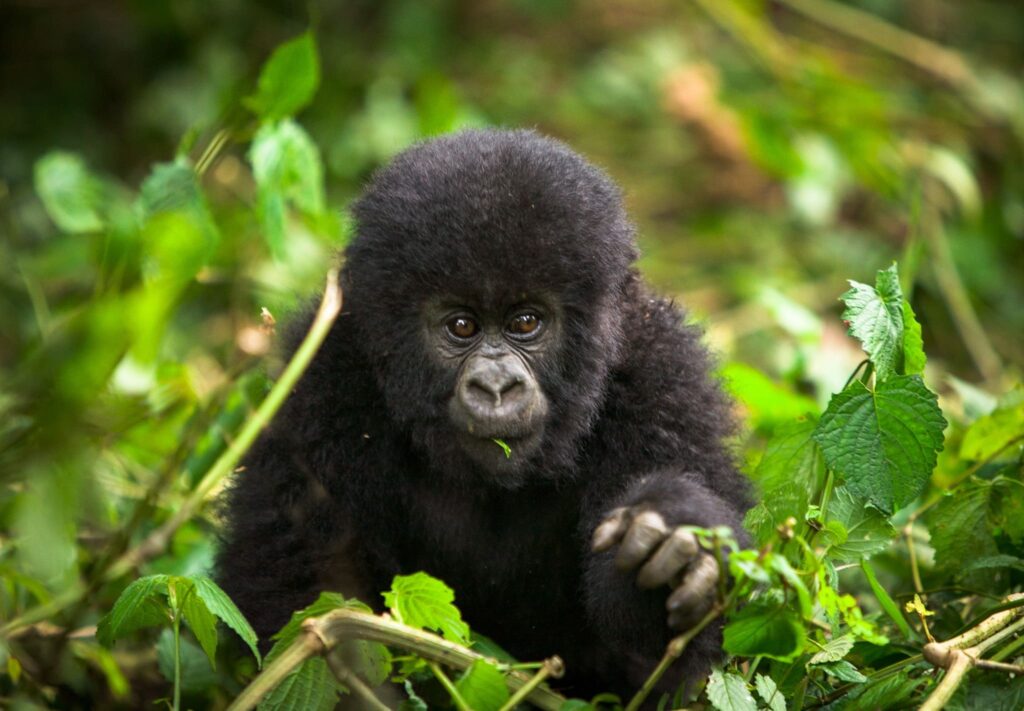
Uganda is world-renowned for its primate experiences, particularly gorilla and chimpanzee trekking. These adventures take place in tropical rainforests, where some rainfall is expected year-round. Even in the dry season, brief showers are common, but they are often followed by clear skies and refreshing sunshine. The trails are generally easier to navigate during drier months, making trekking more comfortable and rewarding.
KENYA – HOME OF THE GREAT MIGRATION
In Kenya, the dry season from June to October is considered the prime time for safari. Wildlife viewing is at its peak, and this is when the iconic Great Migration unfolds in the famous Masai Mara. From July through September, millions of wildebeest and zebras cross into Kenya from Serengeti National Park, creating one of the most dramatic wildlife spectacles on earth.
However, Kenya is a versatile destination that can be enjoyed throughout the year. The short dry season in January and February is another excellent time to visit, offering warm weather, fewer crowds, and great opportunities for wildlife encounters across many parks and reserves.
RWANDA –LAND OF A THOUSAND HILLS
In Rwanda, the ideal time to travel is between June and September, during the long dry season. This period is especially favorable for gorilla trekking and other primate experiences, as forest trails are less slippery and easier to navigate.
Rwanda’s landscapes remain green and beautiful year-round due to its rainforest environment. While rain is always a possibility, especially outside the dry months, it often enhances the scenery creating misty hills and vibrant vegetation that add to the country’s unique charm.
TANZANIA – DIVERSE LANDSCAPES AND WILDLIFE
For Tanzania, the dry season from June to October is widely regarded as the best time for wildlife viewing. During this period, animals are easier to spot as they congregate around rivers and waterholes, and the weather is generally sunny and pleasant.
The Great Migration continues across Serengeti National Park, offering incredible game-viewing opportunities. Meanwhile, January to February marks the calving season in the southern Serengeti, when thousands of wildebeest give birth attracting predators and creating dramatic wildlife interactions.
Tanzania’s southern and western parks are best visited during the dry months, while the northern circuit home to iconic destinations like the Serengeti and Ngorongoro offers rewarding experiences throughout the year.
WHEN SHOULD YOU VISIT EAST AFRICA?
While the dry seasons are often considered the best time for safaris due to easier wildlife viewing and comfortable travel conditions, the green (rainy) seasons also have their appeal. These months bring fewer tourists, vibrant landscapes, and excellent birdwatching opportunities, making them ideal for travelers seeking a quieter, more scenic experience.
Ultimately, the best time to visit East Africa depends on your interests whether it’s witnessing the Great Migration, trekking through misty forests in search of primates, or enjoying a more relaxed safari surrounded by lush greenery. No matter when you choose to travel, East Africa promises an extraordinary adventure filled with natural beauty, diverse wildlife, and unforgettable moments.