
This 14-day birding safari targets the Albertine Rift endemics in the western national parks of Uganda, and includes gorilla trekking.
You start in Mgahinga Gorilla National Park, the smallest national park in Uganda, with over 180 bird species including Albertine Rift endemics. You then spend four days around Bwindi Impenetrable National Park in the Ruhija sector, The Neck and Buhoma, where 23 of the 24 Albertine Rift endemics found in Uganda have been recorded. After gorilla trekking you continue to Rwenzori Mountains National Park and Semuliki National Park.
On arrival at Entebbe international airport, you will be received by a representative of Namib Safaris and transferred to your hotel in Entebbe. Depending on time of arrival time you have an opportunity to bird the Entebbe botanical gardens as an introduction to Uganda birding for a variety of species.
Drive time: 20 minutes
Today, after an early breakfast we will bird to the south western corner of Uganda for a beautiful birding experience in Mgahinga Gorilla National Park. Mgahinga Gorilla NP is the country’ most scenic and smallest Park.
We shall have several stopovers birding in specific swampy areas and agricultural lands for unique bird species. We arrive at our lodge/hotel later that evening looking to full bird day the next day in Mgahinga gorilla national park for the Albertine rift endemics.
Drive time: 9 hours OR Scheduled Flight – 1 hour 50 minutes
B, L & D
Mgahinga gorilla national park has about 180 recorded bird species, which include Albertine rift endemics. Today we traverse a variety of montane habitats along the Gorge trail seeking out the different bird species unique to this region.
The species to search for include; The Dusky Turtle Dove, Cape Robin-chat, Brown-crowned Tchagra, Bronze Sunbird, Black-headed Waxbill and Streaky Seedeater. At 2500m, we may encounter the Handsome Francolin, Kivu Ground Thrush and Cinnamon Bracken Warbler, White Starred Robin, Greater Double collard Sunbird, Rwenzori Turcaco, Rwenzori Batis, Shelly’s Dusky Crimsonwing, Archer’s Robin Chat, Olive Pigeon, and Black headed waxbill, Western Green Tinkerbird, Malachite Sunbird, Cape Robin. More species include; White-starred Robin, Brown Woodland Warbler, Striped breasted Tit, Malachite and Scarlet-tufted Sunbirds also found in this forested area.
B, L & D
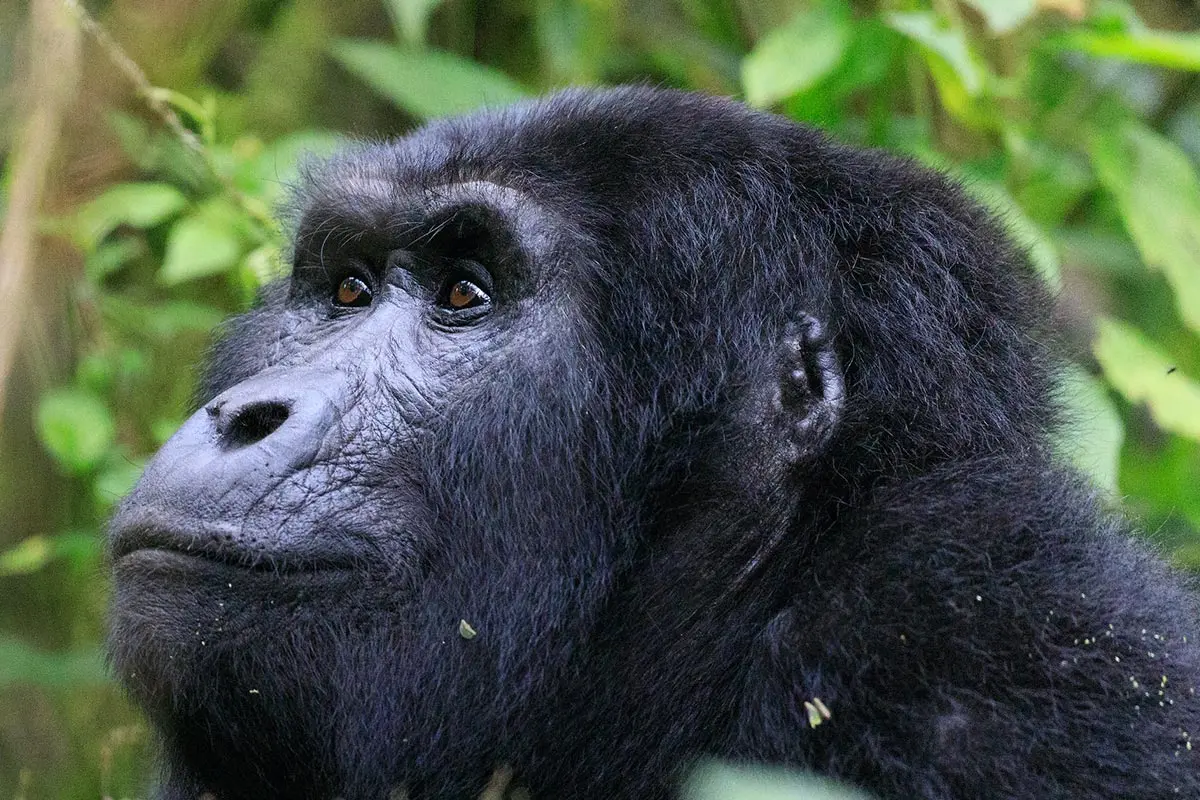
Bwindi Impenetrable is the richest forest in East Africa in relation to its trees, butterflies and birds. It is home to over 360 Mountain Gorillas – half of the world’s population. The bird list for the park currently totals 347 species. The forest has 10 of the 26 globally threatened species in Uganda, five of which are vulnerable and boasts of 24 of Uganda’s 25 Albertine Rift endemics.
In Ruhija the birds we hope to sight include the; Rwenzori Batis, Collared Apalis, Montane Sooty Boubou, Banded Prinia, Mountain and Yellow-streaked Greenbul.Shelley’s Crimsonwing, Mountain Illadopsis, Archer’s Robin-chat, White-starred Robin, Strange Weaver, Blue headed, Purple-breasted and Regal Sunbirds, Northern Olive Thrush, Abyssinian Crimsonwing, Black headed Waxbill, Dusky Crimsonwing, Willcock’s Honeyguide, Sharpe’s Starling and many others.
We will have stopovers at Echuya forest for good birding opportunities and possible sightings of Albertine rift endemics.
Drive time: 4 hours
B, L & D
Today we bird towards Mubwindi Swamp where the trail drops steeply through the dense forest and then winds through swampy forest. Initially the birds on the trail are similar like those encountered before but more time spent will provide opportunities for the rare and localized African Green Broadbill now known as Grauers Broadbill. It prefers to nest near the Mubwindi Swamp and can be difficult to locate while on this trip but with excellent site guides there are high chances of locating it.
Other birds to lookout for in this area of Bwindi impenetrable national park are; Yellow-billed Barbet, Black-billed Turaco’s, Bar-tailed Trogon, White-headed Hoopoe, Montane Oriole, Pink-footed Puffback, Lagden’s Bush-Shrike, Waller’s Starling, localized Grauer’s Rush Warbler, Dwarf Honey-Guide, Rufous-breasted Sparrowhawk, Oriole Finch, Doherty’s Bush-Shrike, Red-headed Malimbe, Yellow-eyed Black Flycatcher, Grey-headed Sparrow, Dusky Twinspot, Think-billed and Streaky Seedeaters, Rwenzori Nightjar etc.
B, L & D
We leave Ruhija Section of Bwindi to Buhoma for Gorilla tracking and more birding opportunities. On our way, we bird “The Neck” – this is an important habitat and offers high chance to see the Cassin’s Hawk Eagle, Toro-Olive Greenbul, Black Bee-eaters, Bronze-napped Pigeon, the rare Chapin’s Flycatcher, Cassin’s grey flycatcher, pink footed puffback, Mountain wagtail etc.
Drive time: 3 hours
B, L & D
Buhoma section of Bwindi Impenetrable National Park has tracks that run through the forest offering excellent bird viewing points.
The bird species to look out on these trails include; Brown, Blue-headed, Northern Double-collared and Grey headed Sunbirds, Black Bee-Eater, Kivu Ground Thrush, Cinnamon-chested Bee-eater, Common Stonechat, Black throated Robin chat, Barred Long tailed Cuckoo, Black throated Apalis, Mountain Masked Apalis, Chin spot Batis, Rwenzori Batis, African broadbill, Montane Oriole, African Golden Oriole, Thick-billed Seedeater, Streaky Seedeater, Handsome Francolin and White-bellied Robin-chat, Cape wagtail, White-chinned Prinia, Olive Green and Grey-backed Camropteras etc.
B, L & D
Gorilla trekking in Bwindi impenetrable national park is a rewarding experience which takes you through the thick impenetrable forest in search of gorillas. The experience hiking through the forest is rewarding even before you sight the gorillas.
Today morning after an early breakfast together with packed lunch, your driver guide will transfer you to the starting point where you will receive a briefing from the park ranger guide on how to prepare for the gorilla trek. Your ranger guide will lead the way in the forest first on well cleared paths but soon you get off to the bushes and thickets where he will help to clear them with a cycle he carries with him. Soon you will be in sight of these enormous creatures.
B, L & D
This day, we start early after breakfast, carry packed lunch and bird toward Rwenzori Mountains National Park. We drive through Queen Elizabeth national park therefore having many opportunities for birding stops even before reaching our destination for the night. Look out for the tree climbing lions in Ishasha, there is a possibility of sighting these while driving through Ishasha towards Rwenzori mountains national park.
Drive time: 5 hours
B, L & D
We start early and search for the special Rwenzori birds which include; Bamboo warbler, Rwenzori Turaco, Rwenzori Double-collared Sunbird, Rwenzori Hill-Babbler, Rwenzori Nightjar, the Abyssinian, Red-faced, Dusky and Shelley’s Crimsonwing, Rwenzori Batis,Grey Apalis, Woodhouse Antipecker, Cassin’s Hawk-eagle, Grauer’s Cuckoo-shrike, Banded Prinia, Willcock’s Honeyguide, Kivu Ground Thrush, Cassin’s Grey Flycatcher, Sooty Flycatcher and many more.
B, L & D
Today morning, we bird our way to Semuliki national park for a range of central African bird species found only here in East Africa. We will have birding stopovers en route to our accommodation for the night where we arrive later that evening ready to explore this park.
Drive time: 3 hours
B, L & D
Day 12 & 13: Birding in Semuliki National Park
Birding in Semuliki national park, we look out for a number of predominantly Central African species which cannot be found anywhere else in East Africa such as; Long-tailed Hawk, Congo Serpent Eagle, Lyre-tailed Honeyguide, the Black-Casqued Wattled, Piping, Red-billed Dwarf and White-crested Hornbills, We also look out forBlue Swallow, White-throated Blue Swallow, Swamp Palm Bulbul, Spotted Greenbul,White-starred Robin, Lowland Akalat, Red-throated Alethe, Fire-crested Alethe, Snowy-headed Robin-Chat, Blue-shouldered Robin-Chat, Red-eyed Puffback, White-tailed Robin-Chat, Northern Bearded Scrub-Robin, Capped Wheatear, Common Stonechat, Abyssinian Ground-Thrush, Oberlaender’s Ground-Thrush, Grey Ground-Thrush, Little Grey Greenbul, Toro Olive Greenbul, Mountain Greenbul, Yellow-throated Nicator, Western Nicator etc.
B, L & D
This marks the end of your Uganda safari for Albertine Rift endemics. We hope you had an amazing time watching the birds of Uganda and enjoying the scenery and people of this country including the fresh organic fruits and foods. We hope to visit again to explore other areas of the country you were not able to visit on this trip. Bon Voyage!
Drive time: 8 hours OR Scheduled Flight – 1 hour 35 minutes
B & L
Day 1: Arrival for the Uganda Birding Tour
Day 2: Birding to Mgahinga Gorilla National Park
Day 3: Birding in Mgahinga Gorilla National Park
Day 4: Transfer to Bwindi impenetrable forest – Ruhija Sector
Day 5: Birding in Ruhija sector of Bwindi Forest
Day 6: Birding “the Neck” of Bwindi forest
Day 7: Birding at Buhoma Sector
Day 8: Gorilla trekking
Day 9: Birding to Mount Rwenzori National Park
Day 10: Birding in Rwenzori Mountains National Park
Day 11: Birding tour to Semuliki National Park
Day 12 & 13: Birding in Semuliki National Park
Day 14: End of Birding Uganda Safari
From USD 4,900 per person
Bring comfortable, lightweight clothes in natural colors like khaki, olive, sand, and earth tones. Pack layers too: mornings can be surprisingly chilly, while the middle of the day gets hot. You don’t need a fresh outfit for every day, since most lodges and camps can arrange laundry service.
Don’t forget your sun protection: a good hat, sunglasses, and sunscreen. Comfortable shoes are enough for most safaris. Heavy hiking boots are only needed if you’re doing a walking safari, primate tracking, or mountain climbing.
A good pair of binoculars is a must. A camera is great, but binoculars will transform the way you experience wildlife, especially birds and animals that are far away.
For luggage, we recommend a soft-sided bag over a hard suitcase. It fits much more easily into safari vehicles and small aircraft, where space is tight and weight is often limited to 15 kg.
Most importantly, don’t overpack. Travel light and enjoy the adventure!
Where you travel
Follow the trip stop by stop. The marker travels the route in day order.
3 Days
Three days of adventure in Jinja: full-day white water rafting on the Nile, a visit to the Source of the Nile and a relaxing boat cruise.
Starting from USD 480 Per Person
5 Days
Mount Elgon is an extinct volcano on the Uganda-Kenya border with one of the largest volcanic craters in the world. This 5-day hike follows the Sasa Trail, the steepest and shortest route, up through forest and moorland towards Wagagai Peak at about 4,300 metres.
The trip begins in Kampala and ends with a visit to the Sipi Falls area, where you can rest your legs after the climb.
Starting from USD 980 Per Person
17 Days
This 17-day safari links three countries: Uganda, Tanzania and Namibia.
In Uganda you take part in gorilla habituation in Bwindi and chimpanzee habituation in Kibale, with a Bigodi Swamp walk. You then fly to the Serengeti in Tanzania for a wildlife safari, and continue to Namibia for Windhoek, Sossusvlei and Deadvlei, Swakopmund, Walvis Bay, Sandwich Harbour and an Etosha game drive, before departing on day 17.
Starting from USD 9,800 Per Person
1 Day
Visit Zika Forest, a quiet forest at Kisubi along Entebbe Road, 23 km from Kampala and close to Entebbe International Airport. It has mature trees and varied plant life, and is home to monkeys and other wildlife. It is a good stop for nature lovers and birders.
Starting from USD 150 Per Person
1 Day
Visit Ngamba Island, a 100-acre chimpanzee sanctuary 23 km from Entebbe that is home to about 40 orphaned chimpanzees. The sanctuary was established in 1997 and has been open to visitors since 1999, and you can watch and feed the chimpanzees up close.
Starting from USD 290 Per Person
1 Day
Visit the historic Source of the Nile and Itanda Falls on a day tour of Jinja, known as the adventure capital of East Africa. The drive through the town also gives you a glimpse of local culture.
Starting from USD 190 Per Person
1 Day
Spend a day in Jinja, visiting Itanda Falls and the Source of the Nile River.
Starting from USD 180 Per Person
1 Day
Learn about the heritage of the Baganda people at Ewaffe Cultural Village in Naggalama. You take part in traditional activities, including a fruit feast, farm tours, fishing and craft making.
Starting from USD 250 Per Person
1 Day
This full-day tour combines nature, culture and adventure.
You start at Ssezibwa Falls, a cultural and natural site with traditional Baganda stories linked to it, and then go ziplining in Mabira Forest.
Starting from USD 220 Per Person
1 Day
Visit the heritage of the Buganda kingdom in one day.
Stops include Naggalabi Buddo, where every Kabaka has been crowned for over 700 years, the Nalwoga pond and the Muwafu tree used for traditional dispute settlement, and Katereke Prison, which shows Buganda history under Ssekabaka Kalema.
Starting from USD 160 Per Person
1 Day
Discover Kampala, Uganda capital, on a full-day guided tour. The city was established in 1890 and became the capital through the Buganda agreement in 1900, and it is divided into five divisions: Central, Kawempe, Makindye, Nakawa and Rubaga.
Starting from USD 130 Per Person
1 Day
Explore the wildlife and heritage of Entebbe in a day. Stops include Mabamba Wetland for the shoebill, the Uganda Wildlife Education Centre, the historical site at Kigungu, the reptile village, Nakiwogo Market and the Entebbe Botanical Garden.
Starting from USD 185 Per Person
We use cookies
We use cookies to make this site work and to understand how it is used, so we can improve your safari planning experience. Read our Privacy Policy.